


Navigating the world of friendships can be tricky, especially when it comes to children with special needs. But what if these friendships could be the secret sauce to unlocking a world of joy and understanding? Imagine a crew of kids who not only embrace differences but celebrate them like it’s a birthday party every day!
Friends of children with special needs play a vital role in fostering inclusivity and compassion. They’re the unsung heroes who turn challenges into adventures and teach everyone that friendship knows no bounds. So, let’s dive into the heartwarming tales and valuable insights that showcase the power of these friendships. After all, who wouldn’t want to be part of a squad that makes the world a little brighter and a lot more fun?
Understanding Special Needs
Special needs encompass a variety of conditions that require unique support and accommodations. These conditions can affect physical, cognitive, and emotional development.
Definition of Special Needs
Special needs refer to individuals who require specific assistance due to physical or mental challenges. This assistance may include therapeutic interventions, educational support, or social services. It covers a range of conditions, including autism spectrum disorder, cerebral palsy, and learning disabilities. Each individual with special needs has unique requirements, emphasizing the importance of personalized strategies to promote growth and development.
Common Disabilities
Common disabilities include a diverse array of conditions that impact various aspects of life. Autism spectrum disorder affects communication and social behavior. Attention deficit hyperactivity disorder (ADHD) influences attention and impulse control. Learning disabilities, such as dyslexia, affect reading and writing skills. Physical disabilities, such as spina bifida, impede mobility. These disabilities require understanding and support from peers to foster inclusion and build meaningful connections.
Importance of Friendship
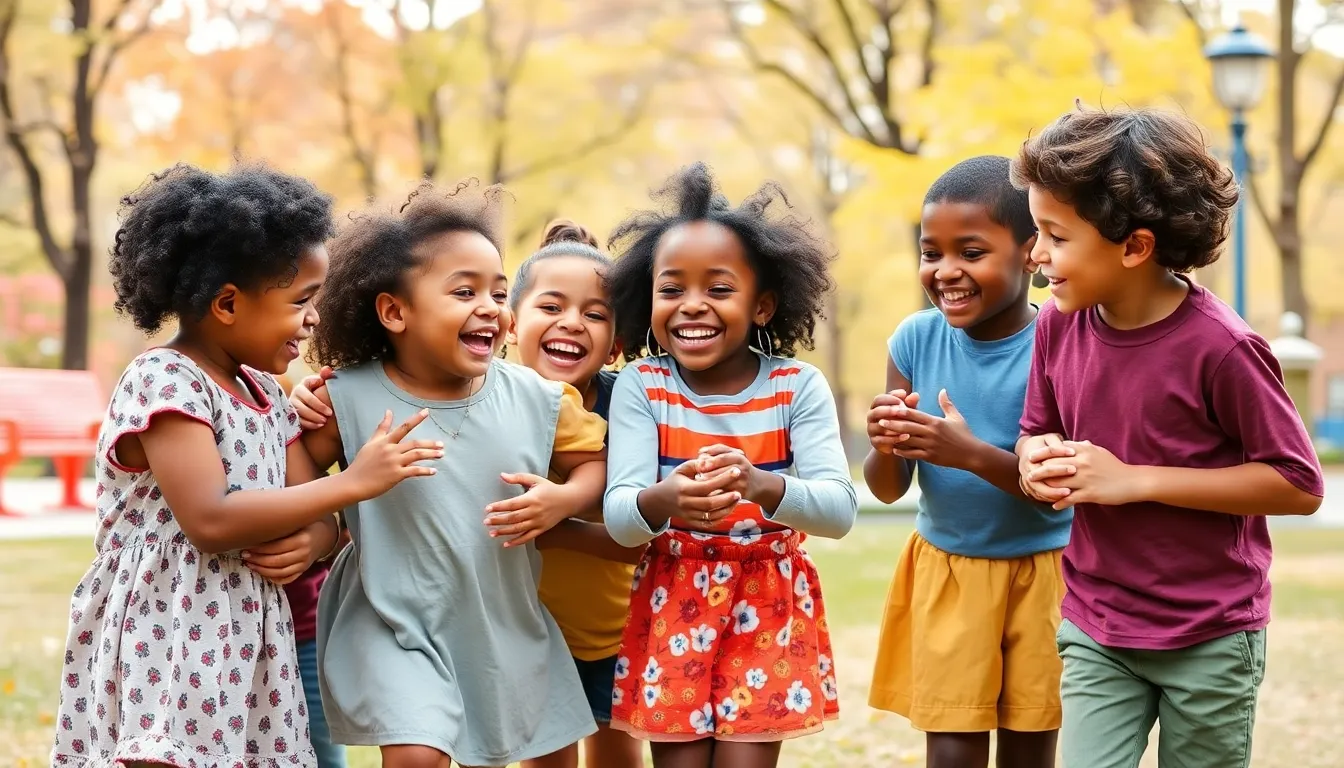
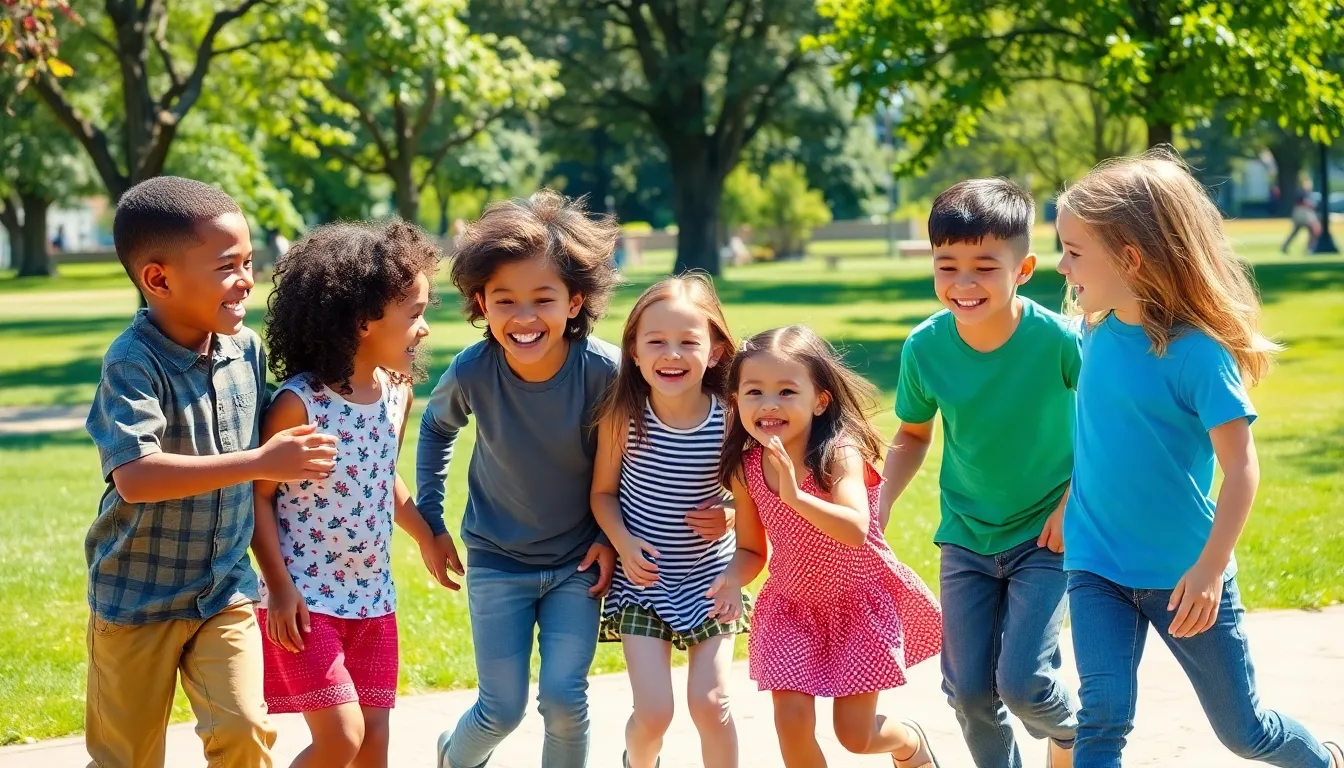
Friendships play a crucial role in the lives of children with special needs. These connections foster a sense of belonging and enhance overall well-being.
Benefits of Friendship for Children
Friends provide emotional support. They inspire confidence and encourage children to express themselves. Social interactions lead to the development of essential communication skills. Through play and shared activities, children learn about cooperation and empathy. Moreover, friendships create opportunities for positive experiences, which can reduce feelings of isolation. Children with special needs often thrive when they feel accepted and valued by their peers.
Role of Friends in Social Development
Friends influence social development significantly. They offer opportunities to practice social skills in real-life situations. Engaging with friends helps children navigate social norms effectively. Positive peer interactions promote inclusivity, allowing children to embrace diversity. When children experience acceptance, they develop resilience and a greater sense of self-worth. Friends also provide vital feedback, guiding behavior and enhancing problem-solving skills. This cooperation strengthens bonds and fosters lifelong friendships.
Building Friendships with Children Who Have Special Needs
Creating meaningful friendships with children who have special needs is vital for fostering inclusivity. Building these connections requires understanding and patience.
Strategies for Inclusion
Encourage peer interactions by organizing inclusive activities. Providing tailored support, like buddy systems, allows friendships to flourish naturally. Educate peers about different abilities to promote empathy and reduce stigma. Facilitate social skills training to help navigate various social scenarios effectively. Ensure environments are adaptable, accommodating every child’s needs. Utilize communication tools that assist in expressing feelings and thoughts, enhancing participation. Regularly engage families to reinforce social bonds, extending friendship opportunities beyond school.
Activities That Foster Friendship
Host group games that promote teamwork and cooperation, like relays or obstacle courses. Introduce art projects that allow creative expression while encouraging collaboration. Arrange community outings like picnics or sports events, offering diverse social experiences. Schedule regular playdates where children can build bonds through shared interests. Consider volunteer projects, giving children a chance to work together toward a common goal. Provide opportunities for shared responsibilities in classroom settings or group tasks to strengthen relationships. Ensure activities are enjoyable, fostering fun and connection among all participants.
Challenges Faced by Friends of Children with Special Needs
Friends of children with special needs encounter various challenges that can affect the dynamics of their relationships. Understanding these obstacles helps create more supportive environments for every child involved.
Social Stigma and Misunderstanding
Social stigma poses a significant barrier for friends of children with special needs. Many encounter misconceptions about disabilities, leading to awkward situations and hesitations in forming connections. Friends may feel pressure from peers who lack understanding or awareness. Exposure to these stereotypes can create reluctance to engage openly with children who have unique needs. Combating stigma requires education, empathy, and awareness. Creating inclusive environments facilitates understanding among peers, promoting acceptance and stronger friendships. Awareness campaigns can further challenge misconceptions and foster positive attitudes.
Communication Barriers
Communication barriers frequently affect interactions between friends and children with special needs. Differences in abilities can lead to misunderstandings. Friends may struggle to express themselves or interpret responses, resulting in frustration. Children with communication challenges might find it hard to convey thoughts or feelings. Adapting communication styles, such as using visual aids or simpler language, enhances clarity. Engaging in activities that promote non-verbal communication also helps bridge these gaps. Patience and creativity play vital roles in overcoming these challenges. By being proactive, friends create richer connections and foster mutual understanding.
Promoting Positive Relationships
Promoting understanding enhances friendships among children with special needs. Empathy plays a crucial role in these connections. Engaging peers in conversations about diverse abilities fosters acceptance. Hands-on activities, like role-playing scenarios, teach compassion and patience. Encouraging open discussions about differences reduces misconceptions. Workshops can provide insights and facilitate meaningful interactions, ensuring all children feel included. Ultimately, these practices nurture a compassionate environment, enriching everyone’s experience.
Support from families and caregivers significantly influences the dynamics of friendships. Active involvement helps children navigate social interactions. By sharing insights about their children’s needs, families equip peers with the necessary knowledge. Increasing awareness about strengths and challenges promotes mutual respect. Creating opportunities for playdates and group activities strengthens bonds between families. Encouragement from caregivers validates friendships and nurtures self-esteem. They play an essential role in establishing inclusive spaces, paving the way for long-lasting connections.


