

In a world where stress and anxiety often feel like uninvited guests at a party, therapeutic community projects swoop in like the superhero we didn’t know we needed. These initiatives transform ordinary spaces into vibrant hubs of healing, connection, and personal growth. Imagine a place where laughter echoes, friendships blossom, and individuals find their true selves—sounds like a dream, right?
Overview of Therapeutic Community Projects
Therapeutic community projects foster healing and self-discovery within supportive environments. They transform ordinary spaces into engaging settings where individuals connect meaningfully. In these communities, people share experiences, participating in various activities designed to enhance well-being.
Activities often include group therapy sessions, workshops, and recreational pursuits. Participants develop critical life skills that contribute to personal growth. It’s common for these projects to promote trust and understanding among members. Their structure allows everyone to contribute to a collective healing process.
Research shows that community involvement positively affects mental health, significantly reducing stress and anxiety levels. Personal testimonies frequently highlight the power of connection in these settings. Individuals often express feelings of belonging and acceptance, essential components of the therapeutic experience.
Many projects incorporate art, gardening, and physical fitness, allowing participants to explore creative aspects of healing. Each activity serves as a tool for self-expression and connection with others. Success stories continue to proliferate, illustrating how these initiatives change lives in profound ways.
Therapeutic community projects create dynamic environments that encourage audience engagement and personal development. They not only address immediate emotional challenges but also lay the foundation for sustained mental health improvements.
Key Principles of Therapeutic Community Projects
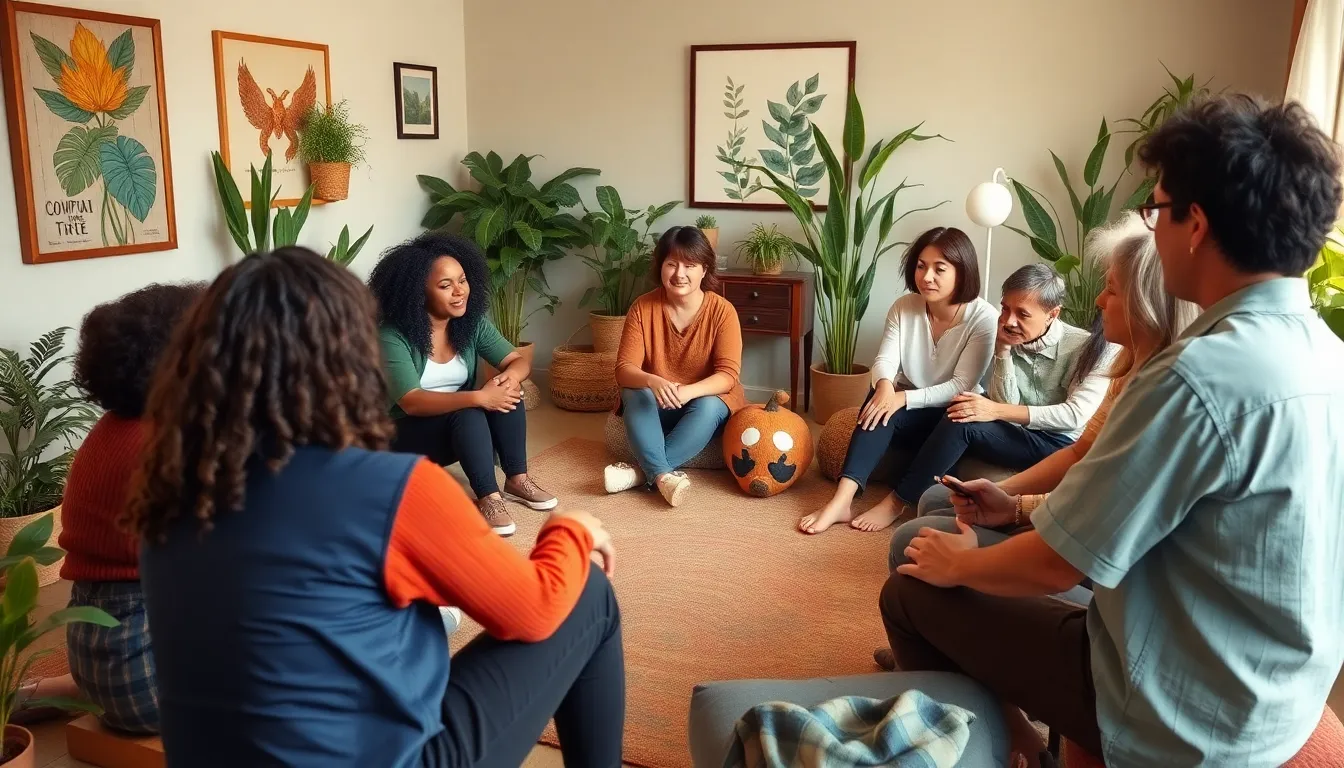
Therapeutic community projects rely on core principles that promote healing and well-being. Empowerment and participation form the foundation of these initiatives, creating a space for individuals to take charge of their own healing journey.
Empowerment and Participation
Empowerment emphasizes individual agency within therapeutic communities. Participants actively engage in decision-making processes, fostering a sense of ownership over their experiences. Participation enhances personal growth through shared activities, enabling connections among individuals facing similar challenges. When people contribute to group discussions, they build confidence and develop essential skills. Collectively, members support one another in achieving personal goals, reinforcing a culture of cooperation and resilience.
Community Engagement Strategies
Community engagement strategies enhance the effectiveness of therapeutic projects. Building relationships with local organizations brings valuable resources and support. Partnerships may include schools, art centers, or sports clubs that provide additional activities. Regular workshops and events encourage continued involvement, helping participants feel valued and included. Surveys and feedback mechanisms give individuals a voice in developing future programs, ensuring their needs and interests guide project direction. By prioritizing engagement, these initiatives foster a strong sense of belonging and commitment to mental well-being.
Benefits of Therapeutic Community Projects
Therapeutic community projects offer various advantages that significantly enhance individual well-being. They serve as a crucial platform for personal growth, connection, and resilience.
Mental Health Improvement
Therapeutic community projects lead to substantial mental health improvements among participants. Evidence shows that community involvement directly correlates with reduced anxiety and stress levels. Group therapy sessions and workshops provide safe spaces for individuals to share their experiences. Participants often express feeling understood and validated, fostering emotional healing. Engaging in creative activities allows for self-expression while promoting psychological well-being. Success stories illustrate remarkable transformations, showcasing improved mood and heightened resilience among individuals. Collectively, these environments nurture ongoing mental health enhancements.
Social Reintegration
Social reintegration plays a vital role in therapeutic community projects. Individuals often rebuild relationships and reconnect with their surroundings in these supportive spaces. Peer support enhances personal accountability as participants encourage one another. Shared activities create bonds that reduce feelings of isolation, making social interactions more accessible. Many projects collaborate with local organizations to facilitate community connection. By actively involving participants in decision-making, a sense of belonging develops. Consequently, these initiatives enable individuals to reintegrate confidently into society, bolstering their overall well-being and stability.
Challenges Faced by Therapeutic Community Projects
Therapeutic community projects encounter various challenges that can affect their effectiveness. Funding and resources often present significant hurdles, while managing diverse participant needs complicates operations.
Funding and Resources
Limited funding restricts the scope and quality of therapeutic community projects. Many rely on grants, donations, and fundraising efforts to sustain operations. Insufficient financial support can lead to reduced staffing, limited programming, and inadequate materials necessary for activities. Competing for resources among numerous organizations further complicates this challenge. Some organizations creatively address these issues by forming partnerships with local businesses, thereby increasing resource availability. Understanding these financial constraints helps stakeholders devise strategic solutions to enhance project sustainability.
Managing Diverse Needs
Participants in therapeutic community projects come with varying backgrounds and needs. Addressing these diverse requirements necessitates tailored approaches to ensure everyone feels included and supported. Staff must navigate differences in age, culture, and personal experiences while designing programs that cater to individual challenges. As a result, ongoing staff training and development become essential for effective program delivery. Regular feedback from participants also plays a crucial role in adapting services to meet evolving needs. By prioritizing inclusivity, projects enhance their impact and foster a stronger sense of community among participants.
Case Studies of Successful Therapeutic Community Projects
Numerous therapeutic community projects demonstrate the effectiveness of this approach in promoting mental health. “The Community Life Project” in Philadelphia engages participants through peer-led support groups and skill-building workshops. Participants report improvements in anxiety and stress levels along with strengthened social connections.
In California, “Harmony Grove” integrates nature into its therapeutic approach. Residents use gardening as a tool for self-expression, fostering emotional healing. Surveys indicate high satisfaction rates, with 85% of participants feeling more connected to others after engaging in community activities.
“The Art of Healing” program in New York utilizes creativity as a therapeutic medium. Individuals express emotions through art, allowing exploration of personal challenges. Success stories highlight dramatic transformations and a renewed sense of purpose for many participants involved in this initiative.
“Pathways to Wellness” facilitates group therapy sessions in Vermont. Members share experiences, gradually building trust and understanding within the group. Research backs the positive impact on well-being, noting a 70% decrease in reported anxiety levels among regular attendees.
These examples illustrate the diverse methodologies of successful therapeutic community projects. Engaging participants through shared experiences creates environments conducive to healing. Each initiative emphasizes empowerment, encouraging individuals to take charge of their healing journeys. By fostering an atmosphere of collaboration, these projects cultivate resilience and strong community bonds.
Challenges these projects face include securing sustainable funding. Many initiatives rely heavily on grants and community support to operate effectively. Adapting programs to meet the diverse needs of participants remains essential for maximizing their impact. Continued staff training and participant feedback enhance the effectiveness of these community-driven environments, ultimately ensuring the success of therapeutic initiatives.
Therapeutic community projects play a vital role in enhancing mental health and well-being. By creating supportive environments that encourage personal growth and connection, these initiatives empower individuals to take charge of their healing journeys. The positive outcomes seen in various case studies illustrate the effectiveness of community engagement in reducing stress and fostering resilience.
While challenges like funding and diverse participant needs exist, the ongoing commitment to adaptation and collaboration can ensure these projects thrive. As more communities recognize the value of these initiatives, the potential for lasting change in mental health care becomes increasingly promising. Embracing the principles of empowerment and participation will continue to shape the future of therapeutic community projects, making them essential components of holistic well-being strategies.