
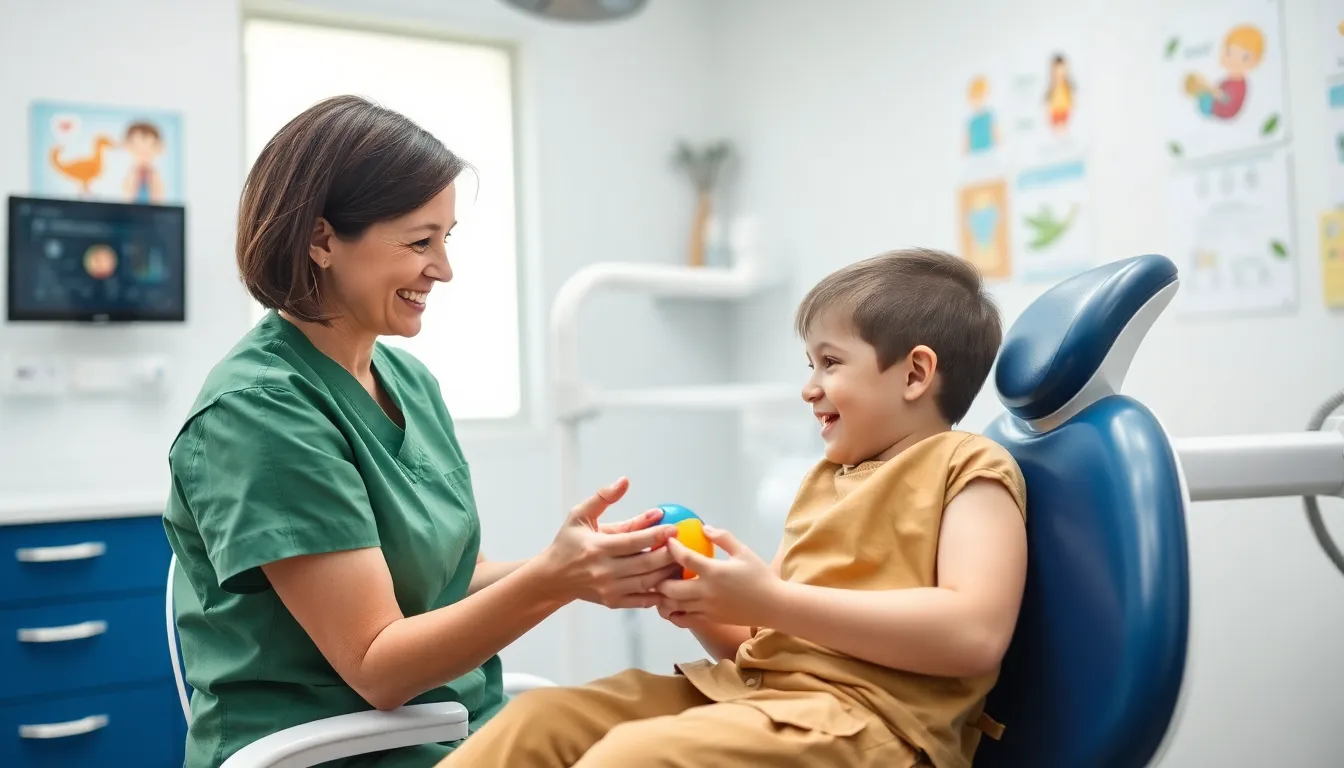

Finding the right dentist for special needs children can feel like searching for a unicorn in a haystack. Parents want someone who not only understands their child’s unique needs but also makes dental visits less of a scary adventure and more of a fun outing. After all, who wouldn’t want their little one to leave the clinic with a smile as bright as the sun and a treasure chest full of stickers?
Understanding Special Needs Dentistry
Understanding special needs dentistry involves recognizing the distinct requirements of children with various conditions. These children may experience physical, emotional, or developmental challenges that can complicate dental care.
Definition of Special Needs
Special needs refers to a range of conditions, including autism spectrum disorders, Down syndrome, cerebral palsy, and sensory processing disorders. Each condition presents unique challenges that can affect oral health and behavior during dental visits. For instance, some children may struggle with communication or require specific accommodations to feel comfortable. Recognizing these distinctions ensures that dental professionals tailor their approach effectively.
Importance of Specialized Care
Specialized care is essential to address the unique dental needs of these children. Appropriate training equips dentists with the skills to manage behavioral issues and provide a calming experience. Using techniques such as positive reinforcement can significantly reduce anxiety. Additionally, understanding the medical history of each child helps in anticipating potential complications. Customized treatment plans lead to better oral health outcomes and foster trust between the child and the dental team. Establishing a positive dental experience lowers the likelihood of fear and promotes ongoing care.
Choosing the Right Dentist for Special Needs Children

Selecting the right dentist for special needs children involves careful consideration of various factors. Parents must prioritize a dentist’s ability to understand and cater to unique challenges.
Factors to Consider
Evaluate the office environment. An accommodating atmosphere helps reduce anxiety. Observe the staff’s demeanor. Kind and patient team members foster a welcoming experience. Assess the dentist’s approach to communication. Clear, gentle explanations can ease children’s fears. Consider scheduling flexibility. Availability for appointments that suit special needs can enhance overall care. Research reviews from other parents. Positive experiences often indicate a suitable choice.
Credentials and Experience
Check the dentist’s qualifications. Look for certifications in special needs dentistry. Verify experience with children who have similar conditions. A well-trained professional implements tailored care strategies effectively. Inquire about continuing education. Dentists who pursue ongoing learning stay informed about best practices. Consider professional associations belonging to the dentist. Membership in organizations dedicated to special needs care shows a commitment to excellence.
Techniques Used by Dentists for Special Needs Children
Dentists use various techniques to ensure children with special needs receive effective and comfortable care. Understanding these methods can empower parents during their search for the right dental professional.
Sedation Dentistry
Sedation dentistry helps reduce anxiety in children with special needs. It allows dentists to perform necessary procedures while ensuring comfort. Different options exist, including nitrous oxide for mild sedation and oral sedation for deeper relaxation. Each option’s selection depends on the child’s specific needs and medical history. Safety remains a priority, so dental teams monitor the child’s response throughout the procedure. Parents often appreciate the positive outcomes, as children leave appointments feeling calm and without traumatic associations.
Behavior Management Techniques
Behavior management techniques enhance the dental experience for special needs children. Dentists may employ techniques such as the Tell-Show-Do method, which provides information before the procedure, offers visual demonstrations, and then performs the treatment. Positive reinforcement boosts confidence; rewards like stickers or praise follow successful behaviors. Creating a calm environment featuring familiar toys or comforting items can also make a difference. Establishing rapport helps build trust, making future visits less intimidating. These combined strategies promote cooperation and minimize anxiety, allowing better oral care for special needs children.
Benefits of Specialized Dental Care
Specialized dental care offers numerous advantages for children with special needs. Tailored approaches lead to a more effective and enjoyable dental experience.
Improved Oral Health Outcomes
Timely treatment significantly improves oral health outcomes for children with special needs. Dental professionals trained in special needs dentistry can identify critical issues early. Customized treatment plans address unique challenges, ensuring better oral hygiene. Preventive care also becomes more attainable, reducing the chances of severe dental problems later. Regular checkups foster a sense of familiarity and trust. Families appreciate the proactive approach that enhances long-term oral health.
Enhanced Patient Comfort
Patient comfort plays a crucial role in ensuring a positive dental experience for children. Specialized dental care prioritizes creating a soothing environment to reduce anxiety. Friendly staff members and tailored communication make visits less intimidating. Techniques like sedation dentistry provide further comfort for children experiencing fear or discomfort. Engaging methods, such as the Tell-Show-Do technique, help manage behaviors effectively. Focusing on comfort leads to better cooperation during appointments, encouraging children to embrace dental care.
Finding the right dentist for special needs children is crucial for their overall dental health and well-being. Parents should prioritize a supportive environment where their child feels safe and understood. By considering factors like the dentist’s experience with special needs, communication style, and the office atmosphere, families can ensure a positive dental experience.
Specialized care not only addresses unique challenges but also fosters trust between the child and the dental team. This approach encourages ongoing dental visits, leading to better oral health outcomes. With the right support, parents can help their children develop a positive attitude towards dental care, paving the way for healthier smiles and happier experiences in the future.