

In a world overflowing with screens and distractions, children’s books remain a magical escape into realms of imagination. These delightful tales not only entertain but also shape young minds, fostering creativity and empathy. From whimsical adventures to heartwarming lessons, each page turn opens a door to new possibilities.
Importance Of Children’s Books
Children’s books hold significant importance in fostering various aspects of a child’s development. They entertain and teach valuable lessons, shaping young minds in critical ways.
Cognitive Development
Cognitive skills develop through engaging narratives and complex characters. These books challenge children, prompting them to think critically and solve problems. Exposure to new vocabulary enhances language skills, while diverse storylines stimulate imagination. Recognizing patterns and predicting outcomes in stories encourages analytical thinking. Each reading experience builds attention span and comprehension, contributing to overall academic success.
Emotional Awareness
Emotional awareness deepens through relatable characters and experiences in children’s books. By reading, children explore feelings such as joy, sadness, and anger. This exploration fosters empathy, allowing them to connect with others’ experiences. Understanding different perspectives prepares children for real-world interactions. Also, stories provide a safe space for discussing fears and anxieties. Books equip children with tools to express their emotions, promoting mental well-being as they navigate life’s challenges.
Popular Genres Of Children’s Books
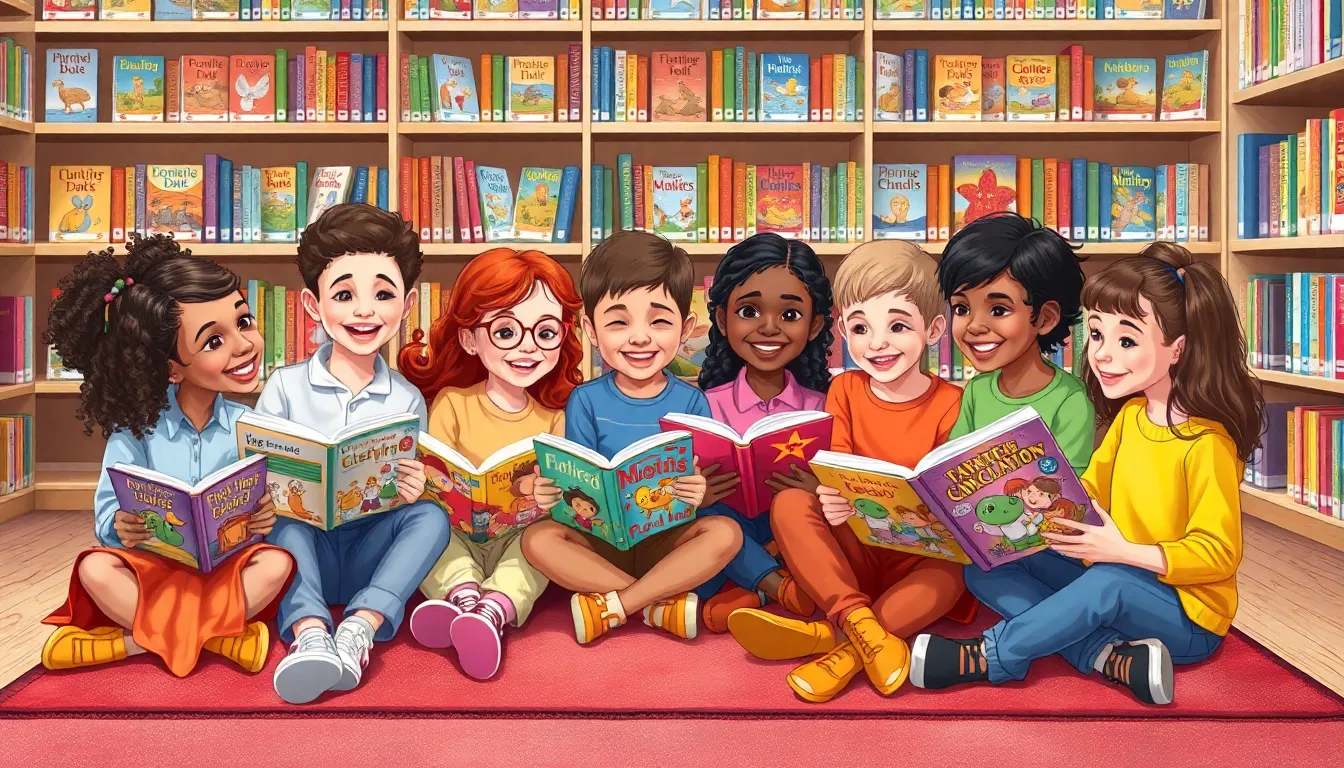
Various genres exist within children’s literature, each serving different developmental needs and interests of young readers. Understanding these genres assists parents and educators in selecting suitable books for children.
Picture Books
Picture books feature illustrations that complement text, creating a captivating storytelling experience. These books typically target preschool and early elementary-aged children. Themes often include friendship, adventure, and everyday experiences. Titles like “Where the Wild Things Are” and “The Very Hungry Caterpillar” showcase vivid artwork while delivering important life lessons. Engagement through visuals helps develop language skills and stimulates imaginations.
Chapter Books
Chapter books bridge the gap between picture books and longer narratives. Designed for early readers who have mastered basic reading skills, these books feature short chapters, simple plots, and characters that children can relate to. “Junie B. Jones” and “Magic Tree House” series exemplify this genre, making stories accessible and enjoyable. Readers can follow protagonists through engaging adventures while improving their reading fluency and comprehension.
Young Adult Novels
Young adult novels target readers aged 12 and above, tackling complex themes relevant to adolescence. These stories often explore identity, relationships, and social issues, resonating deeply with teenagers. Prominent examples include “The Fault in Our Stars” and “Harry Potter.” Characters in these novels frequently face challenges that encourage personal growth, fostering critical thinking and empathy as readers navigate their own experiences and emotions.
Criteria For Selecting Children’s Books
Selecting appropriate children’s books involves considering various factors. Two essential criteria include age appropriateness and the themes and messages portrayed in the stories.
Age Appropriateness
Age appropriateness plays a pivotal role in book selection. Books tailored for specific age ranges align with developmental stages and reading skills. For preschoolers, picture books with vibrant illustrations engage imaginations while introducing simple concepts. Early elementary-aged readers benefit from chapter books that offer relatable characters and manageable plot complexities. Targeting the right age group enhances comprehension and enjoyment, encouraging a love for reading. Additionally, understanding developmental milestones, such as language skills and emotional maturity, informs selections that resonate with young readers.
Themes And Messages
Themes and messages significantly impact children’s literature choices. Books that explore friendship, courage, and diversity nurture essential life skills and moral understanding. Stories addressing complex emotions like fear or joy support emotional intelligence and empathy as children navigate their feelings. Selecting books with positive messages encourages resilience and self-acceptance. Engaging narratives that reflect children’s experiences can foster connections and ignite conversations about real-life challenges. Prioritizing themes that resonate helps cultivate thoughtful, compassionate young readers.
Recommendations For Children’s Books
Children’s books enrich young minds, offering valuable lessons and entertainment. Selecting the right books enhances reading experiences for kids.
Timeless Classics
Timeless classics like “The Very Hungry Caterpillar” and “Where the Wild Things Are” engage children through simple yet impactful narratives. These stories often include vibrant illustrations, sparking imagination and curiosity. Reading “Charlotte’s Web” introduces themes of friendship and loyalty, resonating with both children and adults. Such texts remain relevant across generations, making them essential in a child’s library. Experts recognize that exposure to these classics fosters an appreciation for literature and enhances language skills. Parents and educators often encourage reading these beloved tales to cultivate a love for books early on.
Modern Favorites
Modern favorites like “The Pigeon Wants a Puppy!” and “Dragons Love Tacos” capture the hearts of today’s readers. These books blend humor with relatable characters, making reading fun and engaging. Stories like “Wonder” address themes of kindness and acceptance, reflecting contemporary societal values. Authors today often focus on diversity, allowing children to see themselves in the stories they read. Engaging with these modern texts promotes discussion about important life lessons. Choosing popular contemporary books can inspire children’s creativity and enthusiasm for learning, making them a valuable addition to any collection.
Children’s books play a crucial role in shaping young minds and fostering emotional intelligence. They provide more than just entertainment; they offer valuable lessons that resonate throughout a child’s development. By exploring diverse genres and themes, these books not only captivate imaginations but also encourage empathy and understanding.
Parents and educators can enhance children’s reading experiences by selecting age-appropriate titles that align with their developmental needs. The blend of classic and contemporary stories ensures that children encounter a rich tapestry of narratives that inspire creativity and critical thinking. Ultimately, investing time in children’s literature cultivates a lifelong love for reading and learning, setting the foundation for a brighter future.