

Table of Contents
ToggleNavigating the world with a disability can feel like trying to solve a Rubik’s Cube blindfolded. Thankfully, disability support networks are here to help untangle that colorful puzzle. These networks provide essential resources, connections, and a sense of community that can turn daunting challenges into manageable ones.
Imagine having a squad of allies who not only understand your journey but also cheer you on like it’s the Super Bowl. From emotional support to practical advice, these networks are the unsung heroes that empower individuals to thrive, not just survive. Whether it’s finding the right services or simply sharing a laugh over shared experiences, disability support networks are the lifeline that makes life a little brighter and a lot more navigable.
Overview of Disability Support Networks
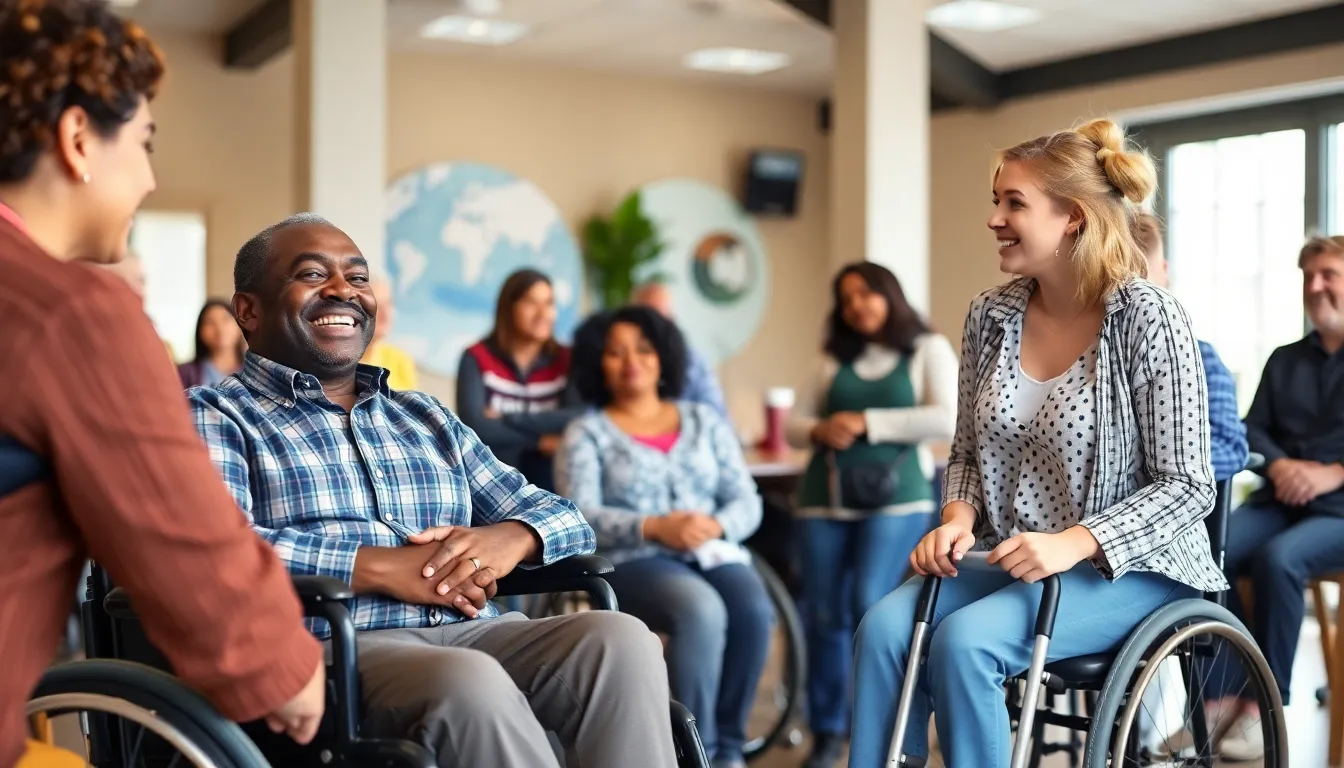
Disability support networks play a crucial role in empowering individuals facing disabilities. These networks consist of organizations, community groups, and online platforms dedicated to providing resources and assistance. They connect individuals with peers, professionals, and advocates who understand their specific needs.
Access to tailored services makes navigating the challenges of daily life easier. Many networks offer workshops, training sessions, and social events, promoting skill development and socialization. For instance, some networks provide career counseling and job placement assistance, addressing employment-related challenges.
Emotional support represents another significant component of these networks. Individuals often share experiences and strategies, fostering a sense of belonging. Through support groups, members can discuss personal struggles and victories, helping each other build resilience.
Collaboration between various service providers enhances the effectiveness of these networks. Healthcare professionals, therapists, and advocates often work together, streamlining access to essential services. As a result, individuals receive comprehensive care tailored to their unique situations.
Data suggests that engaging with support networks leads to improved outcomes for individuals with disabilities. According to the National Council on Independent Living, involvement in these networks correlates with higher levels of satisfaction and quality of life. Overall, disability support networks serve as vital lifelines, facilitating connections and resources that promote empowerment and independence.
Importance of Disability Support Networks
Disability support networks play a crucial role in enhancing the quality of life for individuals with disabilities. These networks offer emotional and practical resources that empower personal growth and independence.
Emotional Support
Emotional support proves vital for individuals with disabilities, addressing feelings of isolation and loneliness. Connections formed within support groups foster a sense of understanding and validation. Sharing experiences with peers cultivates a safe space for expressing challenges and finding solutions. Encouragement from others leads to increased resilience amid adversity. Data shows that individuals participating in these networks report significant improvements in both mental health and overall well-being. Belonging to these communities nurtures confidence, inspiring individuals to advocate for their needs.
Practical Resources
Practical resources offered by disability support networks contribute significantly to personal and professional development. Access to workshops provides essential skills and knowledge, facilitating successful navigation of daily challenges. Tailored job placement assistance guides individuals toward meaningful employment opportunities. Collaboration with healthcare professionals ensures individuals receive appropriate medical and therapeutic interventions. Career counseling sessions equip individuals with tools for career advancement. Data indicates that utilizing these resources leads to higher rates of employment and satisfaction among participants. Ultimately, practical support enables individuals to achieve greater autonomy in their lives.
Types of Disability Support Networks
Disability support networks come in various forms, each designed to meet specific needs and preferences. These networks include community-based organizations and online platforms, both playing crucial roles in fostering connection and support.
Community-Based Networks
Community-based networks consist of local organizations and groups dedicated to serving individuals with disabilities. These networks often offer in-person workshops, social events, and resource fairs that encourage skill development. Participants benefit from an environment that nurtures relationships with peers who understand their challenges. Research shows that engagement in community-based networks significantly enhances mental health and reduces feelings of isolation. Opportunities for collaboration with healthcare professionals ensure that individuals receive tailored support for their unique needs. Overall, these networks contribute to a strong sense of belonging and empowerment within the community.
Online Support Groups
Online support groups provide accessible platforms for individuals with disabilities, facilitating connections without geographical limitations. Members share experiences and strategies, promoting a sense of camaraderie that addresses feelings of loneliness. Many online groups offer expert-led discussions, webinars, and resources that cater to various disabilities. Data indicates that active participation in these digital communities leads to greater emotional resilience and improved well-being. Additionally, online interactions allow individuals to seek advice and support at their convenience, ensuring they receive consistent encouragement. Flexibility and inclusivity make online support groups valuable assets in the landscape of disability support networks.
Challenges Faced by Disability Support Networks
Disability support networks encounter several significant challenges that hinder their effectiveness. Addressing these issues is crucial for maximizing their impact on individuals with disabilities.
Accessibility Issues
Accessibility remains a major concern for various disability support networks. Many physical locations lack adequate facilities to accommodate individuals with mobility challenges. Additionally, transportation barriers prevent many from attending in-person events, diminishing their participation. Online platforms provide valuable alternatives, yet not all individuals have reliable internet access. Technological literacy also varies among users, complicating engagement with digital resources. Solutions must focus on improving facility access and enhancing the usability of online platforms to foster inclusive environments.
Resource Limitations
Resource limitations significantly impact the services that disability support networks can provide. Funding shortages restrict the availability of workshops, training sessions, and social events necessary for skill development. In many cases, organizations operate with limited staff, which hampers their ability to offer personalized support. Volunteers often play critical roles, yet they frequently face burnout due to high demand and low resources. Investing in sustainable funding models and increasing volunteer recruitment efforts can help alleviate these challenges, allowing networks to better serve individuals with disabilities.
Disability support networks are indispensable for individuals navigating the complexities of living with a disability. By fostering connections and providing essential resources, these networks empower individuals to overcome challenges and enhance their quality of life.
The combination of emotional and practical support creates a nurturing environment where individuals can thrive. While obstacles such as accessibility issues and resource limitations exist, the ongoing efforts to improve these networks are crucial.
As society continues to recognize the importance of inclusivity, strengthening these support systems will play a key role in ensuring that everyone has the opportunity to lead fulfilling lives.


